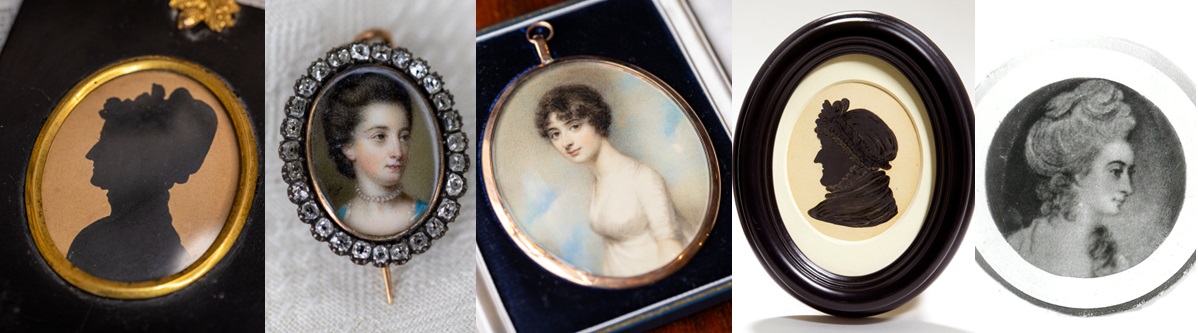
Room 1: Mary, Philadelphia and Eliza
Mary Pearson (1774-1841) – The Original Lydia Bennet
Portrait miniature by William Wood, c.1798
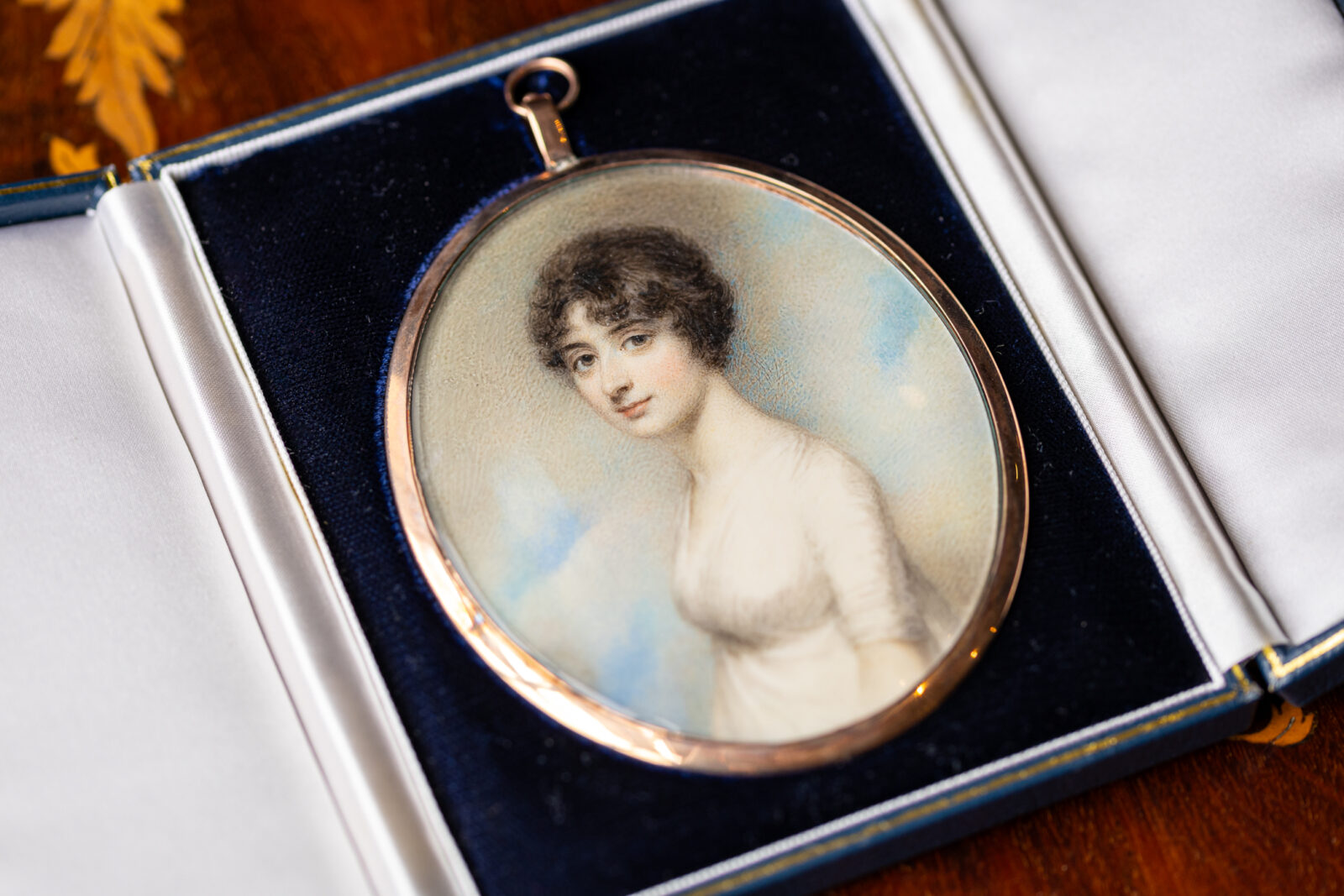
The daughter of a distinguished naval officer, Mary Pearson had a fall from grace following a brief romance with Jane’s brother Henry in 1796. Henry was a soldier in the Oxfordshire Militia at the time – making him, like Pride and Prejudice’s Mr Wickham, a dashing ‘red-coat’. He proposed and she accepted, but the engagement was short-lived. We don’t know exactly how or why it was ended, but Mary’s reputation was certainly hit the hardest and she didn’t end up marrying until 1815, nearly twenty years later. This goes to show the very real danger that Lydia is in when she runs away with Mr Wickham – social ruin.
Jane herself remained in contact with Mary after the engagement, writing in 1799 that ‘after all that had passed I was determined that the Correspondence should never cease thro’ my Means─’.
~
Philadelphia Hancock (1730-1792) – The Adventuress
Portrait miniature by John Smart, c.1768
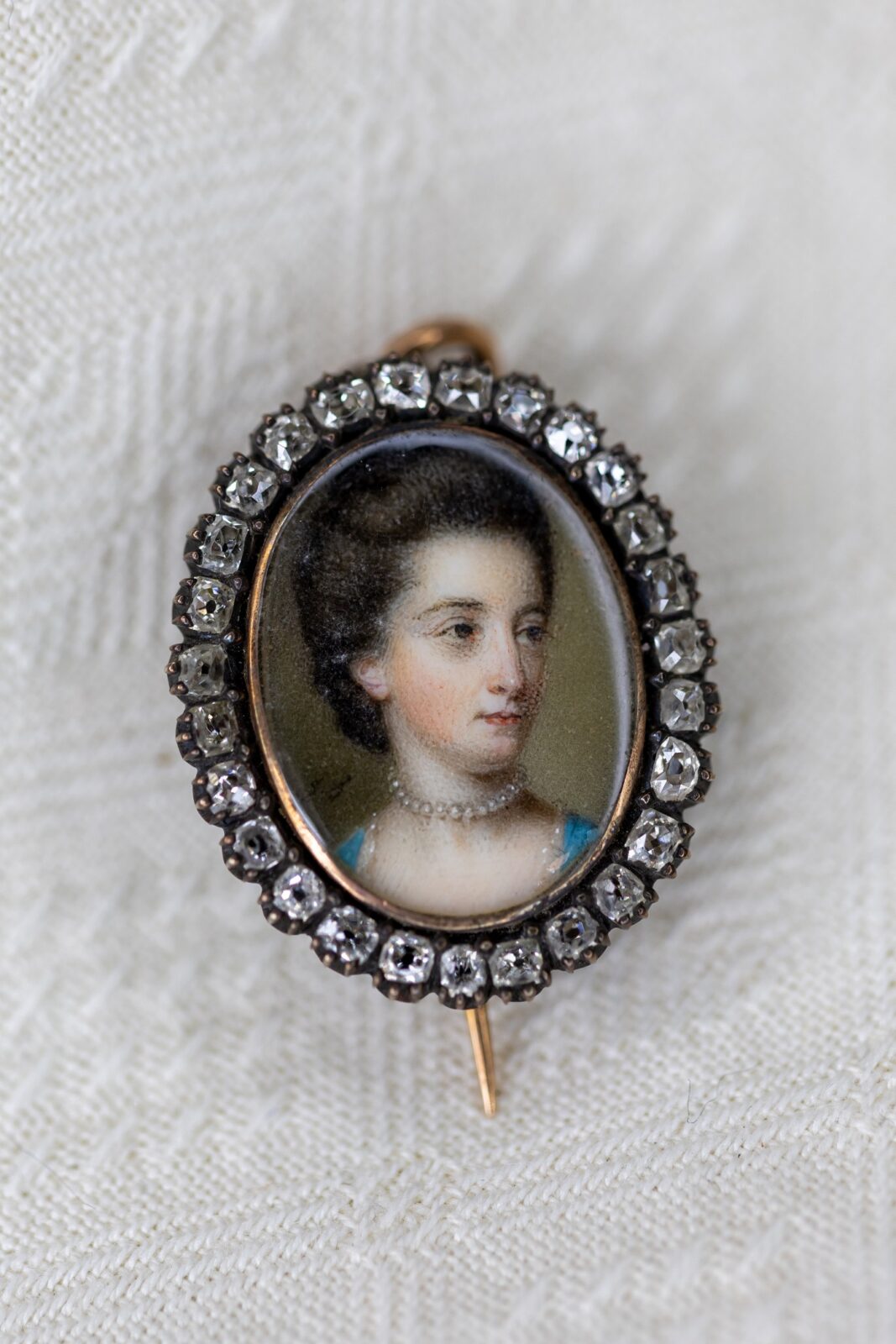
At the age of just 15, Jane Austen’s aunt Philadelphia was apprenticed to a milliner in Covent Garden – but Philadelphia dreamt of better. In 1752 she boarded a ship and undertook the dangerous six-month voyage to India. Jane explains why in the short story ‘Catherine, or the Bower’: ‘She is not the first Girl who has gone to the East Indies for a Husband’. Within six months of her arrival in Madras Philadelphia was married to Tysoe Saul Hancock, a surgeon employed by the East India Company and a man 20 years her senior.
The Hancocks were close friends with Warren Hastings, the future Governor-General of Bengal, and when Philadelphia gave birth to her only daughter, Elizabeth, in 1761, it was widely rumoured that she was in fact Hastings’ natural daughter. He was certainly very fond of her and provided for her financially, enabling her to receive the best education when the Hancocks returned to England in 1765.
In the course of 13 years, Philadelphia had come a long way – from a poor orphan on the streets of London to a secure position in Bengal, and then a society hostess living a privileged existence in London.
~
Eliza, Comtesse de Feuillide (1761-1813) – The Countess
Portrait miniature, unknown collection. Image courtesy of Wikimedia Commons
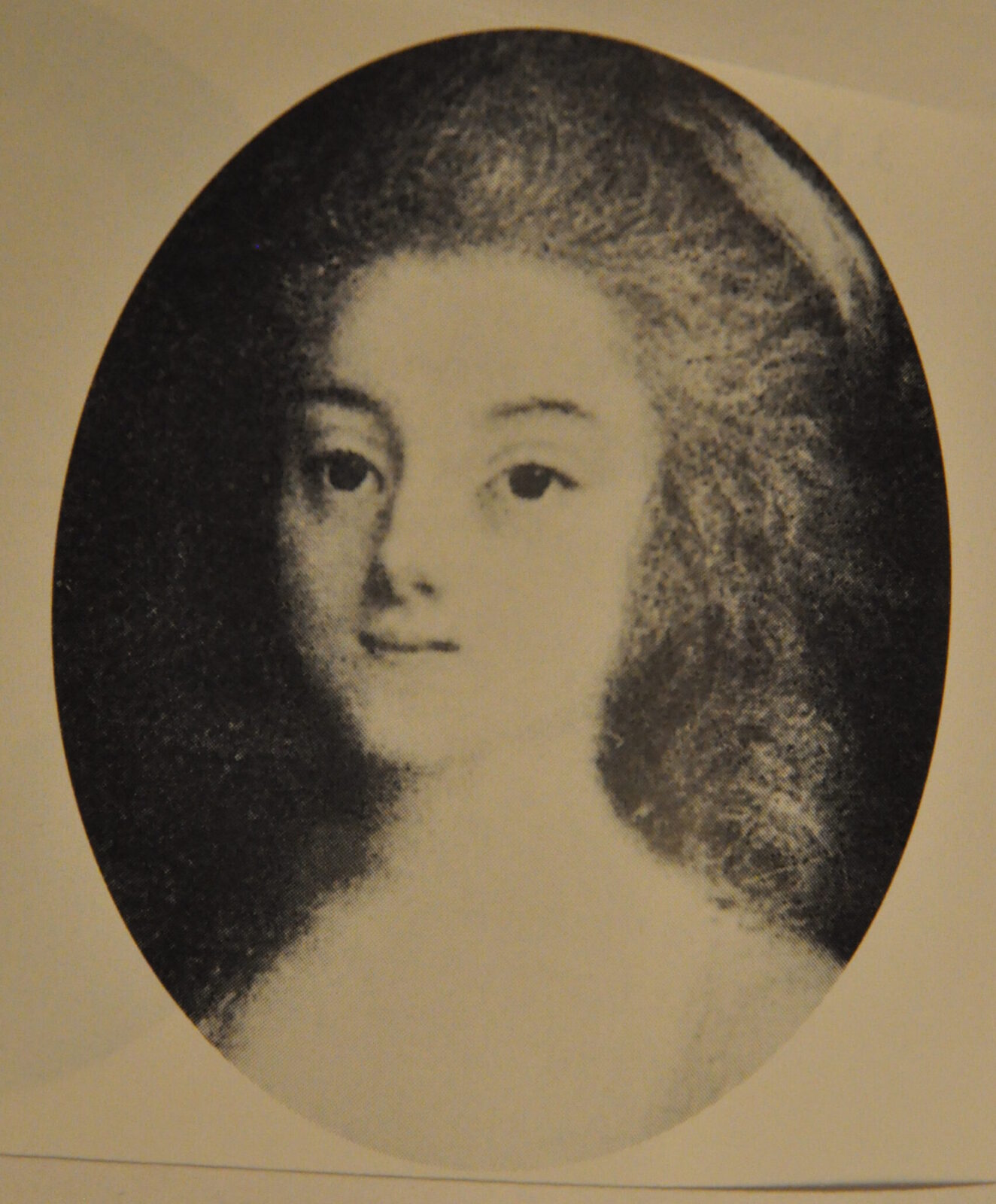
Philadelphia Hancock’s daughter Eliza spent her early years in India before moving to London, where she received a top-notch education from the best masters. In 1777, after Mr Hancock’s death, Eliza and her mother set off for the continent, where they could live more cheaply than in London, and in 1779 they settled in Paris. They fell in with the French court, where Eliza met and married an officer in the Queens Regiment of Dragoons, Comte Jean-Francois Capot de Feuillide.
A young Jane Austen hero-worshipped her glamorous older cousin, who gave her books and encouraged her to read female writers. Not everyone was a fan, however, with one cousin refusing to visit the Austens whilst Eliza was there, referring to her as a ‘rake’. Two of Jane’s brothers – James and Henry – fell completely in love with Eliza and, after her first husband was killed in the French Revolution, she went on to marry Henry Austen in 1797 (the year after his engagement to Mary Pearson). They lived lavishly in London, where they become famous for their parties. Jane wrote about one such party in April 1811 as being ‘all delight’ and ‘lordly Company’, and how it was even ‘mentioned in this morning’s paper.’
When Eliza died in 1813, Jane was at her bedside. We can catch glimpses of Eliza in characters like Mansfield Park’s Mary Crawford.